
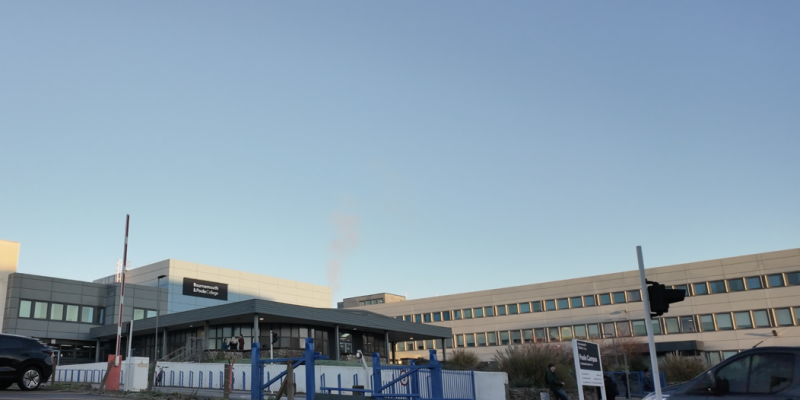
Bournemouth and Poole College have issued a response after staff’s strike action this week, after talks over pay and working conditions failed to reach an agreement.
A spokesperson from the college has said “We continue to work hard to ensure we maximise what our staff receive – they work incredibly hard and are highly skilled. We keep that at the forefront of our minds as we continue to work with union colleagues. We are also actively working on process improvements, including further training for staff on digital systems and techniques, which will help reduce workload over time.”
Staff formed picket lines this week in protest to closing the pay gap between schools and colleges.
College lecturers earn £9,000 than the average schoolteacher and pay in the sector has fallen by more than 40% since 2009/10.
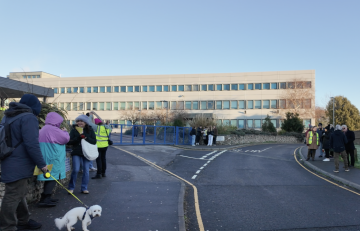
Anne Marie Moriarty, the Vice chair and Secretary of Bournemouth and Poole College, established that college lecturers can “barely survive.”
“They are so tired they can’t speak when they get home. They are so poor they are using foodbanks.”
Lecturing staff are tasked with excessive and unhealthy workloads due to the lack of effective national agreements on working hours and planning, preparation and assessment (PPA).
After their claims for a pay increase, members were dismissed after nothing concrete was put in place. There was a 3% pay increase in the summer of 2025 however the UCU the Association of Colleges (AOC) recommended 4%. Colleges are not required to implement the pay increase, and many have failed to do so in previous years.
Bournemouth and Poole College added “As a government-funded organisation, we have to work within the constraints of our budget to deliver stability and long-term sustainability.”
“We are committed to keeping pay under review and, if funding increases, will evaluate the opportunity to raise it further. We regret that we are not in a position to do this at this time.”
In the next three years over 60,000 more students will enter further education yet 50% of lecturing staff leave within their first three years.
Darren Tozer, a teacher in language studies, argued that the strikes reflect on the students as “tired and overworked staff” cannot provide the necessities for them and their future.
“We want to communicate to management just how important this is. Staff are really struggling.”
“The demands on staff are ever increasing, and this is not reflected by the unions,” added Peter Cooper, a labour councillor in Hamworthy.
“This resistance from the members shows that we won’t give up.’
Cooper is not a member of the union but is a former youth worker and stands in support of the University and College Union urging for ‘decent pay and conditions.’ He joined the picket lines outside Bournemouth and Poole College on the 14th of January.
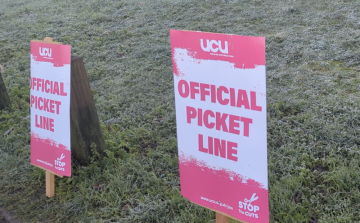
Bournemouth and Poole college’s released statement included that they “respect the right of colleagues to take industrial action and remain committed to constructive dialogue with staff representatives in order to reach a resolution that works for everyone.”
The goal of the strike is for meaningful national bargaining with binding outcomes and a new national agreement to make effective use of resources. The strike is also in support of a 10% pay increase.
The college’s main priority is their students, and they have robust plans in place to minimise disruptions if they do continue.
 How do Bournemouth live without Antoine Semenyo?