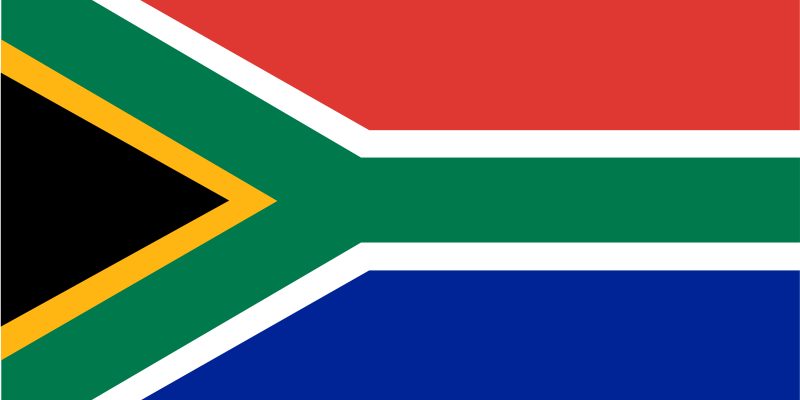
People are turning profile pictures purple in solidarity of South African victims from gender-based violence.
In recent years, social media activism has acted as an early warning to global events, making local issues into international news before traditional news outlets have broadcasted it.
Viral videos and online campaigns are what the world pays attention to. What’s happening currently of people posting a purple profile picture to show support and if this is spreading more awareness than traditional news outlets.
Madison Love, owner of No1 South African shop, Christchurch, is part of the “large South African community in Dorset,” and hosted a fundraiser day in support of the Women’s shutdown, giving 20% of the profit toward charity in support of the cause.
Madison Love, shared that, “personally, I saw a lot of stuff about it [South African’s Women’s shutdown on social media] leading up to the day… I didn’t see anything on the news about it in this country.”
Based on the significant amount social media activism influences international news agendas, this article will be drawing insights from employees of BBC and Reuters – two organisations at the centre of global news production.
Assistant producer at the BBC, Helena Fremantle takes the stance that the news informs social media rather it being the other way round and said, “even though it seems like you haven’t heard anything about it [news], it’s probably because people don’t read the news.” An indication that traditional news platforms are still informing the masses initially, not social media.
Senior manager, Patricia Leon Elias from Reuters, stated that social media activism as a potential early signal such as, “surfacing events, grievances or mobilization quickly, especially where access is limited,” without replacing independent reporting, whilst looking at the credibility of the source.
Social media can be a very powerful tool, especially when it intersects with powerful structures such as governments and multinational companies. Social media can keep a powerful narrative going without having to be wary of who this could affect.
Patricia states that when social media intersects with international institutions, Reuters journalists ask themselves, “could it influence foreign policy, supply chains, or investor sentiment,” which social media led movements do not have to be wary.
Both Helena and Patricia share the weight that social media can have, with Helena saying, “it [social media] definitely changes priority to any news story,” by giving an example of dependent on what is happening in the US can overshadow what news is being produced in Britain as ‘the BBC has to play into what people are interested in.”
Patricia supports this by saying regardless of the 2,600 journalists in roughly 200 locations, social media provides early visibility to fast moving situations. However, she said, “speed matters, but accuracy matters even more for our customers.”
It is evident that social media activism and traditional news outlets differ in the speed and accuracy of what is being reported. Love stated that she saw many posts about the South African led movement yet didn’t identify it in British news supporting what Patricia said about social media providing “early visibility.”
 The charity inspiring those who are going through Brain injury