A Dorset COP climate conference was held in Dorchester to help strengthen collaboration with community-led climate charities and discuss strategies.
The event came as the annual COP31 global summit in Antalya, Turkey drew into its closing week.
While the international meeting focuses on global commitments and carbon reduction targets, the challenges facing Dorset and BCP are increasingly real and need to be mitigated.
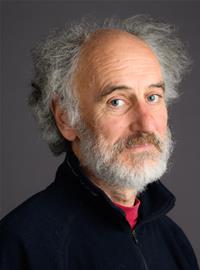
Councillor Andy Hadley, BCP’s Cabinet Member for Climate Response, Environment and Energy said: “It [COP31] sets the agenda for the government and then we take direction from them but, some targets around carbon reduction have been with us for a long time.”
Councillor Hadley believes that when similar conferences were held three decades ago, there was a clear expectation to act with urgency, but that hasn’t happened.
Strategies to mitigate the impacts vary county-wide between urban and rural areas.
Poole and Christchurch are approached differently to Bournemouth since they are older, low-lying towns, that are more prone to flooding.
Councillor Hadley said: “Right around the entire coastline of Britain, local authorities are tasked with working out what they will do.”
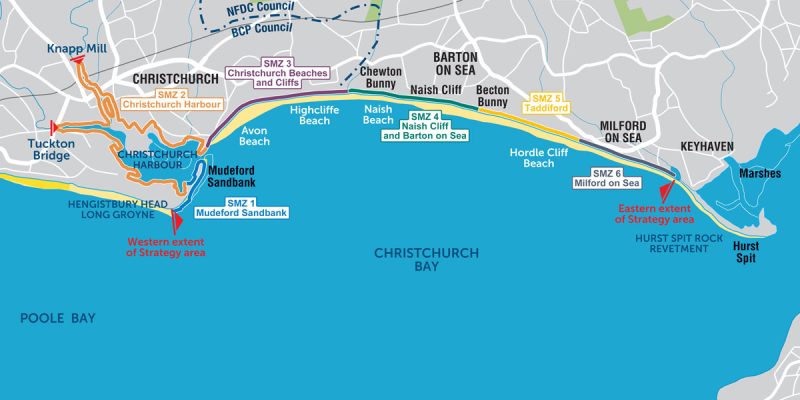
BCP Council and New Forest District Council adopted the Christchurch Bay and Harbour Flood and Coastal Erosion Risk Management (FCERM) Strategy last December.
It sets out how flooding and erosion will be managed from Hengistbury Head Long Groyne to Hurst Spit over the next 100 years, factoring in rising seas and stormier weather.
Until now, Christchurch had no such strategy and so had received no central government funding.
Councillor Hadley added: “In urban areas, we use a hold the line strategy where we are trying to use defences that will stop tidal surges, or increasing water levels inundating homes.
In the more natural area, for instance Studland Bay, there’s a recognition we just have to apply managed retreat and that’s somewhat about just letting the sea do its thing.”
With temperature’s rising, and a county-wide push, more can also be done at a community level to reduce our personal CO2 contribution.
Councillor Hadley said: “It [Climate change] is like a super-tanker, it will take a lot to turn and we haven’t one enough yet.”
For many it can feel like an issue that is bigger than just changing one thing however, Councillor Hadley suggests that now, if ever, is the best time to change.
Councillor Hadley said: “Ignoring the climate issues, there are good reasons why people should change now.
It’s much cheaper to use renewable energy than it is to use fossil fuels, and there’s just that inertia in getting people to change.”
BCP Council will soon publish their climate action annual report 2025 to 2026 which helps to increase transparency with the local community.
Councillor Hadley added: “This is partly to challenge ourselves but also to show the public what is being done but progress isn’t as fast as we’d like it to be.”
While progress may take time, continued action from the council and residents will be vital in minimising flood risk and the loss of buildings along the coastline.
 Winter weather a game-changer for disability tennis in Dorset