

Wimborne Rugby Football Club saw new faces join the club going into this season as grassroots rugby gains popularity.
During twice weekly pre-season training sessions in the summer, 60 people were in attendance.
The first team plays in the regional 2 south central league, and plays competitive matches every week.
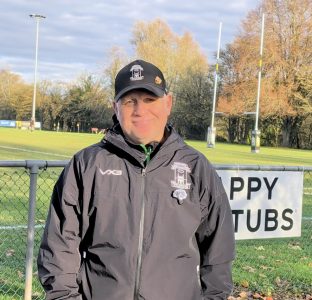
Team manager Dan Draper has enjoyed being a part of the club for over 20 years.
He said: “It’s all about delivering as close to a professional environment for the players, we do it for the love of it.”
He added: “Training numbers are good and we are certainly seeing a good increase in players.”
Wimborne currently has three teams, however there has been talks of the possibility of a fourth after the managers have seen high levels of engagement.
All three teams won their games at the weekend, with the first and second teams both in pole position.
Jack Arnold is the first team loose head prop, and enjoys being a part of the team.
He said: “Every time we go out, every time we step into the changing rooms, it’s just incredible. The scenes in there after the games are just something else to be honest. It’s great to be a part of that.”
Grassroots rugby clubs have seen an increase in the number of members, as at the end of the 2024/25 season, there were 228,000 active participants recorded.
Now, the Rugby Football Union (RFU) estimates just under 300,000 and have invested £120 million into a four year plan aiming to increase that figure.
Part of their plan targets the next generation, a process which has already begun.
In the last year, the RFU estimates that they have introduced rugby to more than 186,000 young people in schools and colleges.
They have equipped more than 1,000 primary schools with the Allianz kick start programme, a six week long introductory programme of learning exercises led by rugby coaches.
Their efforts have focused heavily on non contact rugby forms, such as T1 Rugby, which includes traditional rules, without physical contact.
In this format tries are worth one point and there are no conversions, penalties, or drop goals.
They have also introduced walking rugby, which is less physically demanding in an attempt to keep people playing the sport for longer.
 How Dorset firm Rejuvenate IT predicted the global Microsoft Outlook crash
